
Love, Possession, and Rejection
The Hanging GirlThis thread connects the novel’s overlapping relationships to its central pattern of desire turning into rivalry, silence, and violence.
increasing Bearing strength in each event
 decreasing
Bearing strength in each eventdecreasingJune’s Love for Frank
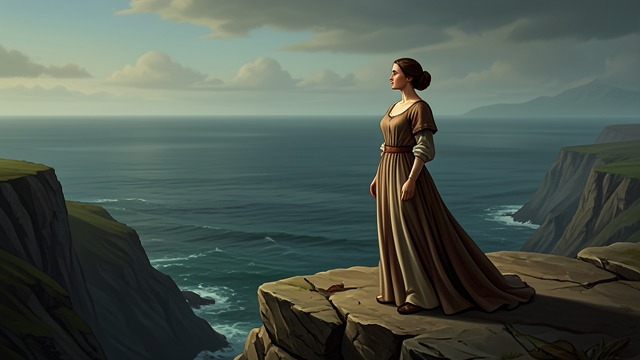
Hope of Escape
A Passionate Affair
June falls in love with Frank and believes his promises of a different life beyond Bornholm.
Emotional Stakes
Her longing makes the later breakup more than a romantic disappointment; it becomes the collapse of a future she had imagined.
Inge’s Affair

Desire in Parallel
Frank and Inge
Inge Dalby also has a sexual relationship with Frank while remaining involved with Kristoffer, keeping the affair from him.
Unequal Attachment
She remembers Frank as charismatic and sexually compelling, while her account shows how his pursuit of women leaves resentment behind him.
Alberte’s New Attachment
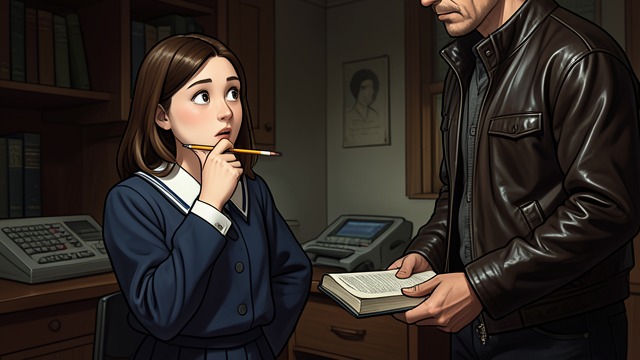
A Brief Romance
Attraction at the Church
Alberte is fascinated by Frank’s knowledge and presence after meeting him on a school trip.
A Future Imagined
Her drawings and message to David suggest that the relationship quickly becomes meaningful to her, even if Frank later ends it.
Bjarke’s Unspoken Love
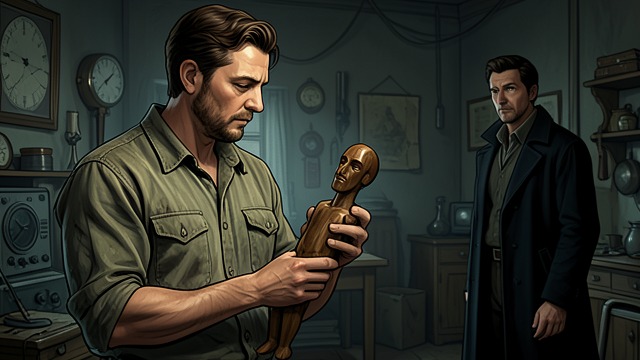
A Fourth Attachment
The Wooden Figure
Bjarke carves a likeness of Frank and offers it as a gesture of love, but Frank rejects him.
A Buried Motive
His attachment helps explain the poem and resentment that Habersaat discovers years later, though June—not Bjarke—commits the murder.
Desire Becomes Destruction
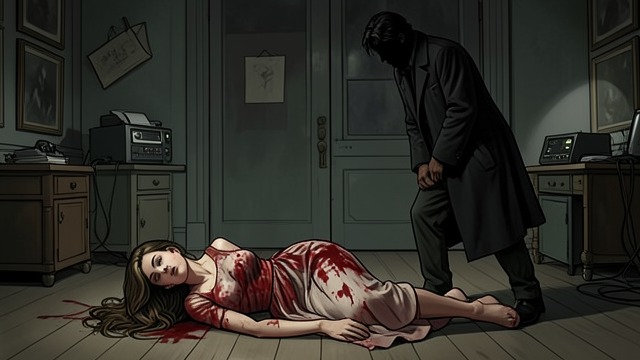
Relationships’ Afterlife
Rivalry and Violence
June’s jealousy leads her to kill Alberte, while Pirjo’s possessiveness leads her to kill women she sees as rivals for Atu.
Different Outcomes
The novel distinguishes desire from culpability: affection explains motives and wounds, but does not excuse the violence that follows.
Summer 1997
Summer 1997
November 1997
Late 1997
November 1997–May 2014
